
Virtual Sports Race Winner: How to Read the Result Before the Pack Clears
The bell rings, the lights sweep the turf, and the field surges forward in a burst of digital dust. Virtual sports race winner outcomes are decided by randomised engines long before the first frame lands on your screen, which is why reading the race properly matters more than chasing a favourite. For punters across Australia, especially those kicking back in a Geelong pub or checking the form on a phone during an arvo session, understanding what drives these races separates a fun spin from a frustrating one. The product itself is built around fast, repeatable events that run continuously, with clear visual cues and rapid settlement, but the real skill lies in knowing how the underlying mechanics shape each result.
Under the Hood: How the Engine Shapes Each Race
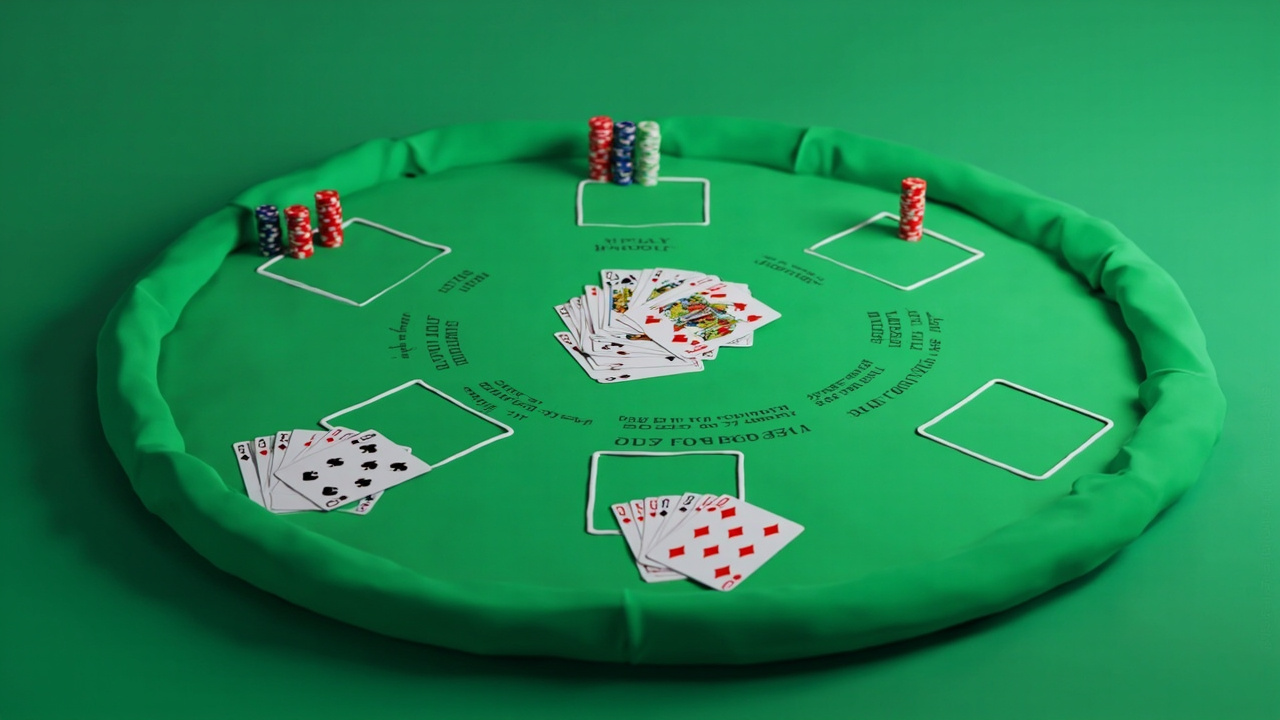
The first thing to grasp is that virtual sports race winner events are not filmed stock or harness meetings replayed for entertainment. They are generated by a certified random number engine that determines position, pace, and finishing order before the animation even starts. From a design perspective, that matters because the visual layer is largely cosmetic; the race you watch is the race the engine already decided. In my time building cinematics and live operations across iGaming, I have seen plenty of products dress up a RNG outcome with flashy camera work, but the best ones keep the presentation honest and the settlement transparent.
The second trait worth noting is pace control. Each virtual meeting runs on a fixed event clock, which means the field does not stall, drift, or wait for a real-world track condition to change. That consistency is useful for players who want a quick, self-contained session rather than a long-form broadcast, but it also means there is no weather report, no going description, and no late scratching to read into. The animation will show a clear start, a mid-race sweep, and a finish line crossing, and the result is locked the moment the engine resolves.
The third distinguishing trait is how the product handles repeat play. Races fire back-to-back with short reset windows, so the interface needs to settle wagers, display the result, and queue the next field without clutter. A well-built version keeps the bet slip accessible, shows the last three results in a tidy row, and avoids burying the settle button behind animated overlays. That kind of everyday usability is what makes the experience feel clean on a phone during a commute or on a laptop at home, rather than feeling like a gimmick that fights your thumb.
Reading the Race: Form, Visuals, and What Actually Moves the Needle
When you are scanning a virtual sports race winner field, the first thing to ignore is the slick camera pass. The animation is there to make the result readable, not to hint at a hidden advantage. What actually matters is the visible form ladder, the starting position, and the consistency of the finishing pattern across recent runs. A horse or greyhound that shows a steady top-three pattern over several cycles is usually a more reliable read than one that flashes a single outlier win and then disappears.

The second layer is the visual pacing cue. Good virtual sports race winner presentations show the early split, the mid-race position, and the final drive in a way that lets you see whether a runner is carrying momentum or fading. That does not mean you can predict the outcome, because the engine has already done its work, but it does mean you can spot whether the animation is consistent with the displayed form. If the visual story and the form ladder are telling luckyelfnodeposit.com different things, treat the form as the more reliable signal and the animation as the payoff.
The third layer is bankroll discipline, which is where a lot of sessions go sideways. Fast events invite fast repeats, and that rhythm can quietly turn a small stake into a long run of chips on the table. A sensible approach is to set a session limit before the first race and treat each event as a standalone bet rather than a streak you are trying to recover. The product itself is built for quick settlement, so the temptation to keep clicking is real; the counter-tendency is to decide your limit, place your selection, and step away when the limit is reached.
- Set a session limit before the first race and stick to it
- Treat each event as a standalone bet rather than a recovery chase
- Read the form ladder first, then use the animation as confirmation
- Keep the bet slip accessible so you are not hunting for the settle button
- Step away when the limit is hit, not when the mood shifts
For a closer look at how virtual sports race winner events sit alongside other fast-play products, it is worth checking out this comparison of casino and sports offerings on Rainbet Between Casino And Sports neighbour, which breaks down how different fast-cycle products handle pacing and settlement.
Player-Fit Scenarios: Who This Suits and Who Should Skip It
The first scenario is the casual punter who wants a quick, self-contained session without committing to a long broadcast or a full sports card. Virtual sports race winner is a decent fit here because the events run continuously, the settlement is fast, and the interface does not demand much setup. If you are in Geelong on a wet arvo and just want a few minutes of clean, visual play between other things, the product delivers that without a lot of friction. The caveat is that the speed can make it easy to overplay, so the fit depends on whether you are comfortable setting a limit and leaving it alone.
The second scenario is the form-minded player who enjoys reading a ladder and tracking consistency across cycles. This crowd tends to appreciate the visible form cues and the repeat patterns, because the product gives you something to study even though the outcome is already decided by the engine. The fit is stronger when you approach it as entertainment with a reading habit rather than a system you can beat. The engine does not care about your notes, but the experience is more satisfying when you are engaging with the form rather than just clicking blind.
The third scenario is the player who wants a slower, more deliberative pace or who gets restless with back-to-back rapid events. That group is usually better served elsewhere, because the constant reset rhythm can feel repetitive after a while. If you prefer a product that lets you sit with a decision longer, or if you are the type who starts chasing after a couple of quiet runs, virtual sports race winner is not the right match. The speed is a feature for some and a friction point for others, and it is worth being honest about which camp you sit in.
Sophie Lewis, Responsible Gambling Adviser, Southern Cross Gaming Advisory, puts it plainly: “Fast-cycle products are fine for entertainment, but the rhythm can quietly pull a session longer than intended, so a pre-set limit is the one habit worth protecting.”
International Practice: How Australia Sits Alongside Other Markets
Across the UK and parts of Europe, virtual sports race winner products are often presented with a heavier emphasis on licensed certification and public audit trails, and the marketing tends to lean into the transparency of the engine rather than the drama of the animation. In New Zealand, the pace is similar to Australia in some respects, but the product landscape is shaped by different operator habits and a tighter local expectation around responsible messaging. In the United States, where state-by-state rules vary widely, the same virtual sports race winner concept can look quite different from one jurisdiction to the next, with some markets leaning into quick-play convenience and others restricting the format entirely.

What stands out for Australian players is that the local expectation is to treat these events as entertainment with clear limits, not as a substitute for a real track meeting or a licensed racing product. The format travels well because the engine and the animation are the same regardless of market, but the surrounding expectations do not. A player used to a UK-style audit trail may want more visible certification detail, while a player used to a New Zealand-style operator tone may expect a calmer presentation. None of that changes the race itself, but it does change how the product should be read and approached.
Sienna Lee, Managing Partner, Southern Reef Gaming, notes: “The engine is the same in most markets, but the way operators frame the product changes the player experience more than the animation ever will.”
The practical takeaway is that virtual sports race winner works best when you know what you are signing up for: a fast, visually clean, RNG-driven event that rewards a clear limit and a readable form habit, not a system or a guarantee. If you are after a quick session with a bit of form to study, the product has a solid shape. If you are after something slower, or if you are the type who keeps clicking after a dry run, it is better to step back and pick a format that suits your pace.
For players who want to start with a clear account setup and a straightforward first deposit, the full sign-up details are laid out at https://hellspinnodepositcode.com/ [own; anchor=”https://hellspinnodepositcode.com/”], which covers the registration steps and the initial funding options in one place.
Lily Harris, Chief Financial Officer, Laneway Interactive Media, keeps the focus on discipline: “The product is built for quick settlement, which is convenient, but convenience is not the same as a strategy, so treat each race as a standalone event and keep the limit in front of you.”
That is the shape of it. Virtual sports race winner is a clean, fast, form-readable product that suits a quick session and a disciplined limit, and it is less suited to players who want a slower pace or who are tempted to chase a dry run. Read the form, respect the engine, set the limit, and the experience stays fun rather than frayed.